
What is Peptides?
Peptides are small protein fragments made of a few linked amino acids. Skincare peptides do different jobs. The best known: palmitoyl pentapeptide-4 (Matrixyl) supports collagen production, copper tripeptide-1 (GHK-Cu) takes part in repair, and acetyl hexapeptide-8 (Argireline) is used to soften expression lines. They are far less irritating than retinol, but their effects are slower and milder. How well some peptides penetrate the skin is still debated.
How it works
Signal peptides mimic the fragments released when collagen breaks down and prompt cells to make new collagen. Argireline mimics SNAP-25, a protein involved in the nerve signal that makes muscles contract, and slightly weakens that signal. Studies show only a tiny fraction reaches deeper skin when applied, so it is no match for Botox.
Related K-LAB products
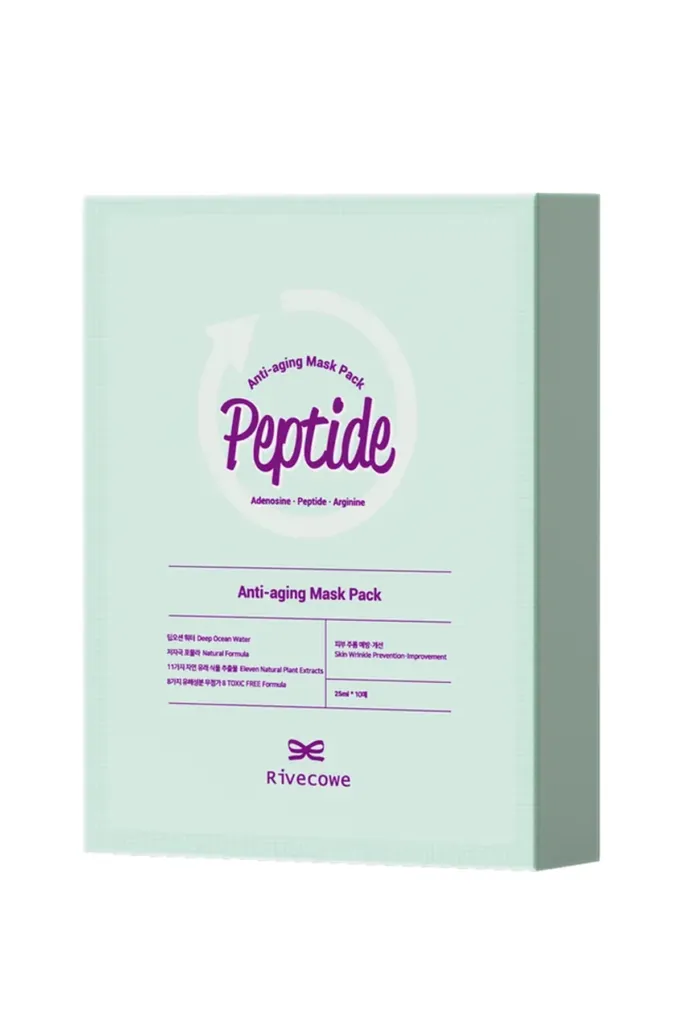
Frequently asked questions
What is the difference between peptides and collagen?
Collagen is a large protein; in a cream it cannot reach deep into the skin and acts as a surface hydrator. Peptides are much smaller and are designed to signal to cells.
Do "Botox-like" peptides work?
Peptides such as Argireline gave a slight softening of expression lines in some studies. The effect is nowhere near Botox and it is not permanent.
Can I use them with retinol?
Yes. Peptides fit into the same routine as retinol, and they are a good alternative for people who cannot tolerate it.
Can I use them during pregnancy?
Peptides are recommended more often than retinol in pregnancy, but there are no large studies. We suggest asking your doctor.
When will I see results?
With regular use, changes are usually noticeable after 8 to 12 weeks.