
What is Hyaluronic Acid?
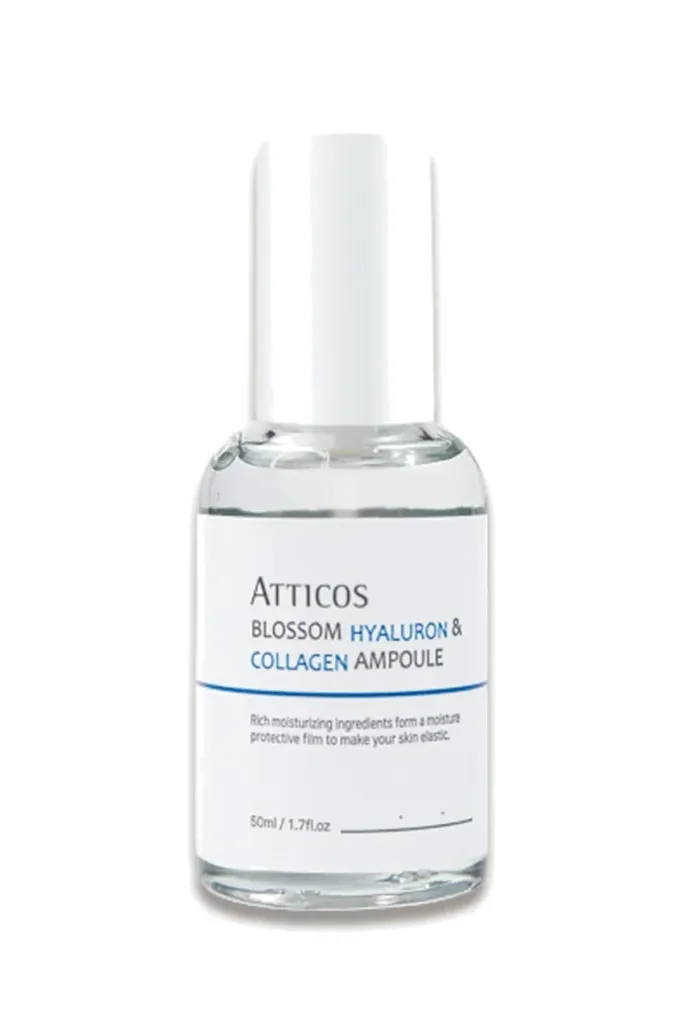
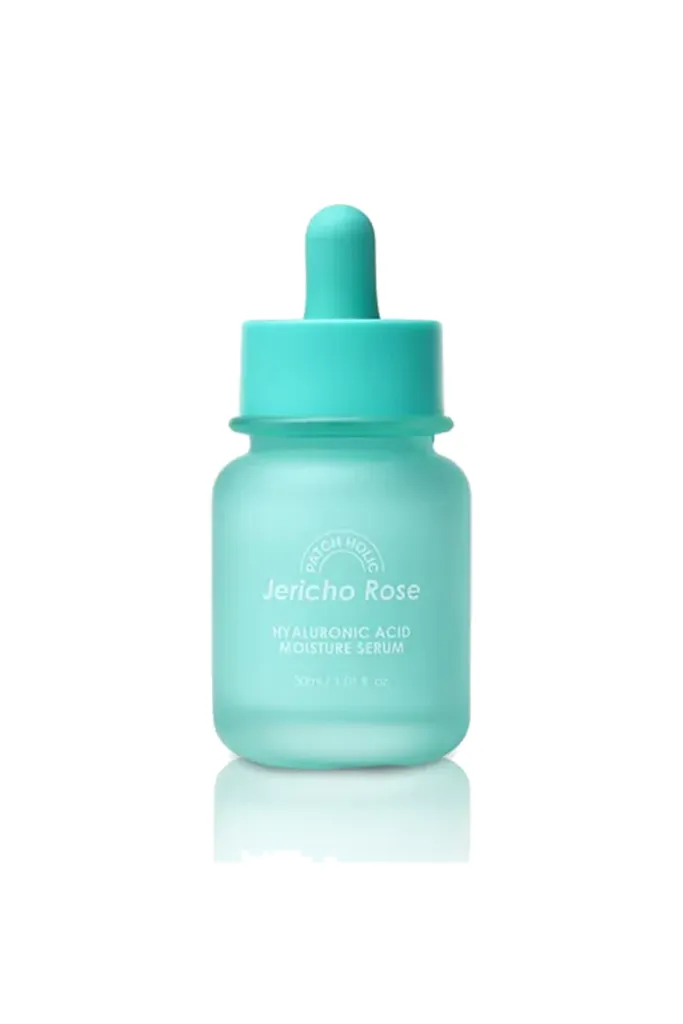
Hyaluronic acid is a sugar molecule (a glycosaminoglycan) found naturally in the body, where it helps skin and joints hold water. Levels fall with age. Cosmetics usually use it as sodium hyaluronate. The popular claim that it "holds 1,000 times its weight in water" has no experimental backing; measurements show much lower figures. It is still an effective, well-tolerated hydrator. Formulas may combine several molecule sizes.
How it works
Hyaluronic acid is a humectant: it draws in moisture. High-molecular-weight hyaluronic acid forms a thin, moisture-holding film on the surface. Smaller molecules reach a little further into the upper layers. The result is skin that looks plumper and smoother.
Related K-LAB products
Frequently asked questions
How should I apply hyaluronic acid?
On slightly damp skin after toner, followed by a moisturiser, so the water it attracts stays in the skin.
Which skin types is it for?
All of them. Oily skin can be dehydrated too; hyaluronic acid contains no oil and does not clog pores.
What is the difference between large and small molecules?
High-molecular-weight hyaluronic acid (around 1,000 kDa and above) stays on the surface and forms a moisture film. Low-molecular-weight forms (below 50 kDa) reach the upper layers more easily. Many products use both.
Is it the same as collagen?
No. Hyaluronic acid holds water; collagen is a structural protein of the skin. Collagen in a cream does not replace your own collagen; it works as a surface hydrator.
Can I use it during pregnancy?
Topical hyaluronic acid is considered one of the safe ingredients during pregnancy and breastfeeding.