
Introduction
Korean cosmetics (K-beauty) is the umbrella name for skincare and make-up developed in South Korea. The approach is simple: care for the skin before covering it. Gentle cleansing, layer after layer of hydration, daily sun protection and light textures are the foundations of Korean cosmetics. In this guide we cover the ingredients that set them apart, products category by category, and where to buy authentic Korean cosmetics.
1. What sets Korean cosmetics apart?
- Skincare first: even make-up products are often hydrating or have sun protection; cushions and BB creams are examples.
- A layered routine: thin layers instead of one heavy cream: toner, essence, serum and cream, each covering a different need.
- Light textures: fast-absorbing forms such as gel creams, ampoules and essences that work for oily and combination skin too.
- Sun protection: Korean sunscreens are labelled with SPF for UVB and a PA rating for UVA (PA+ to PA++++).
- Practical formats: sheet masks, toner pads, cushions with refills and stick concealers.
2. Common ingredients in Korean cosmetics
- Niacinamide: for an even tone and the look of pores; one of the most common ingredients in Korean creams and serums.
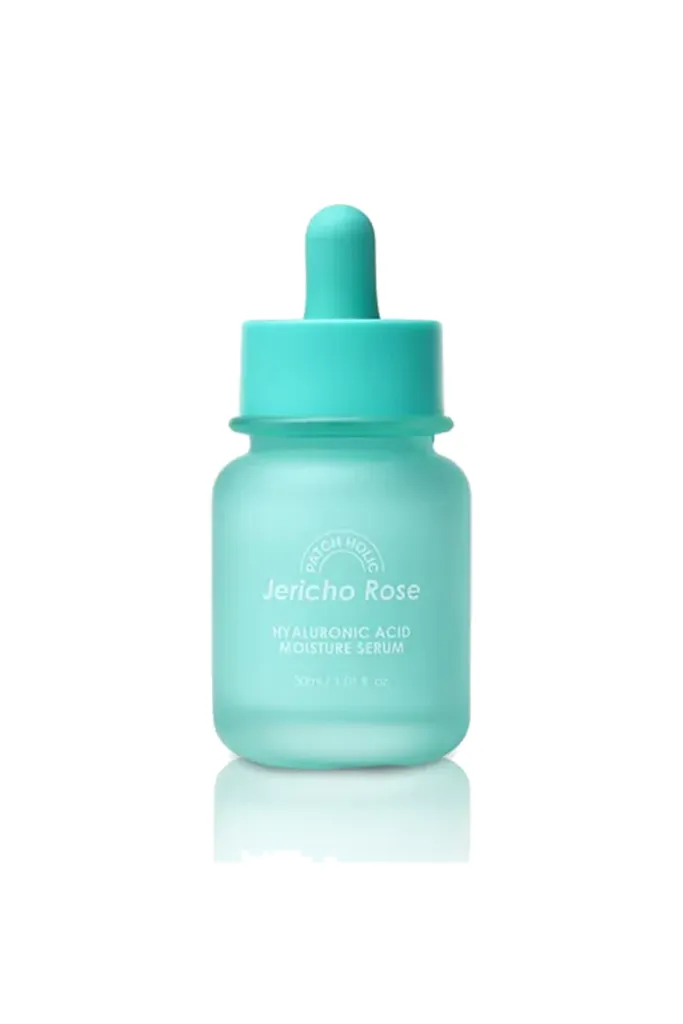
- Hyaluronic acid: holds moisture; used in serums and ampoules for dry and dehydrated skin.
- Centella (cica): soothing; in products for sensitive and redness-prone skin.
- PDRN and peptides: in revitalising and anti-aging serums.
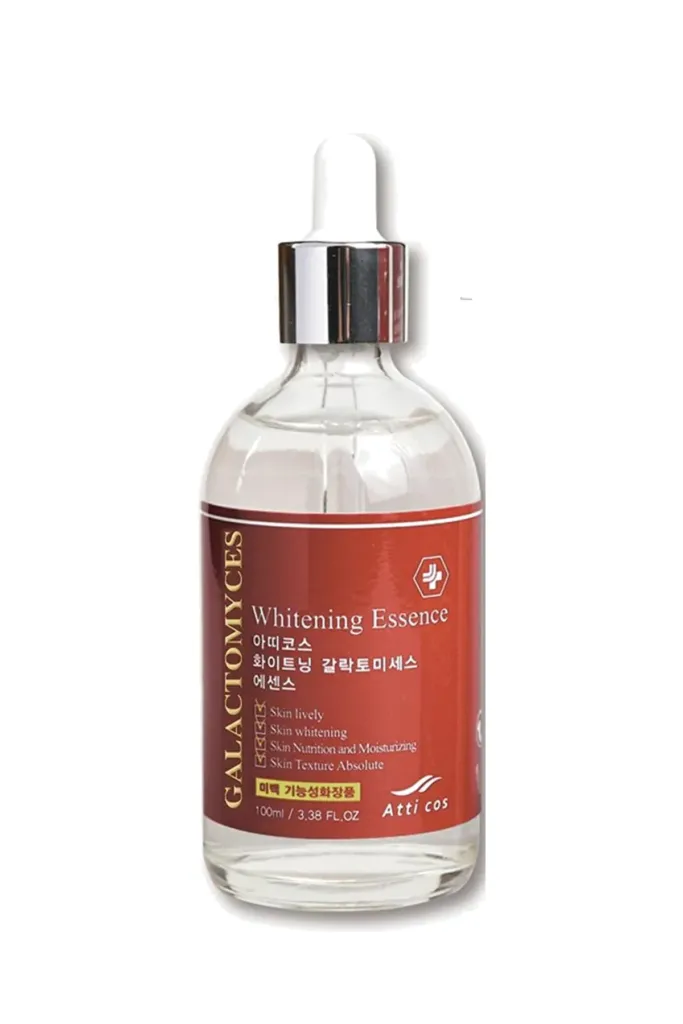
- Galactomyces: a fermented yeast extract used in essences for glow and smoothness.
- Yuja and vitamin C: in brightening serums and toner pads.
3. Korean cosmetics category by category
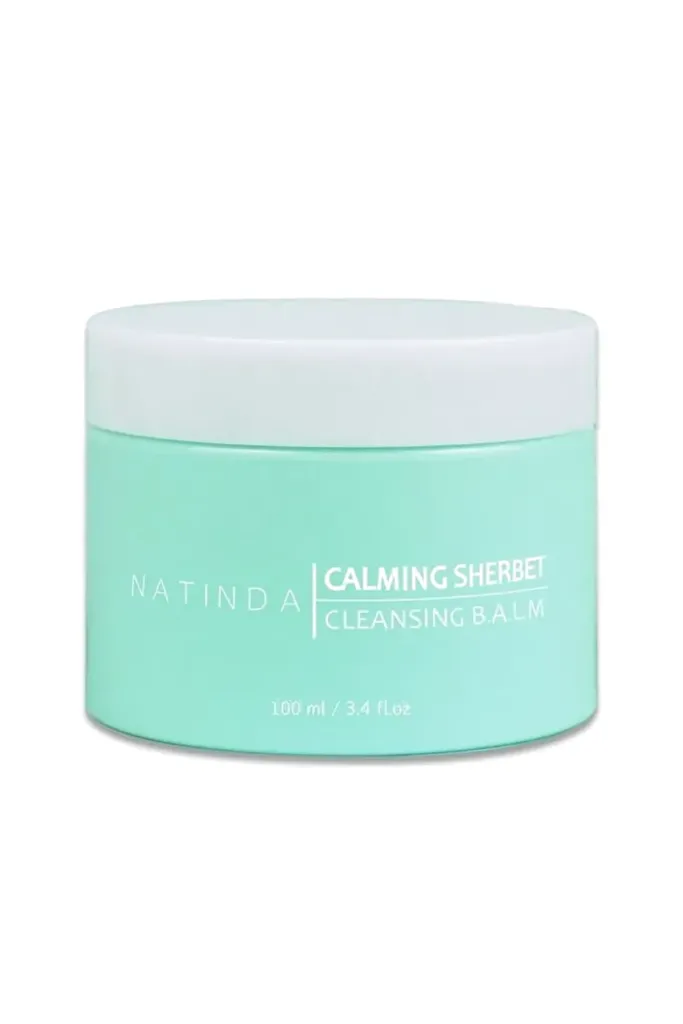
- Cleansers: in the evening, first a balm that dissolves make-up and sunscreen, then a cleanser that foams with water (double cleansing). Korean cleansers
- Toners and pads: prepare the skin for the next steps after cleansing.
- Serums, ampoules and essences: the targeted step of the routine, for hydration, brightening or anti-aging care. Korean serums
- Creams: lock in moisture and support the skin barrier. Korean creams
- Masks: sheet masks or sleeping masks a few times a week. Korean face masks
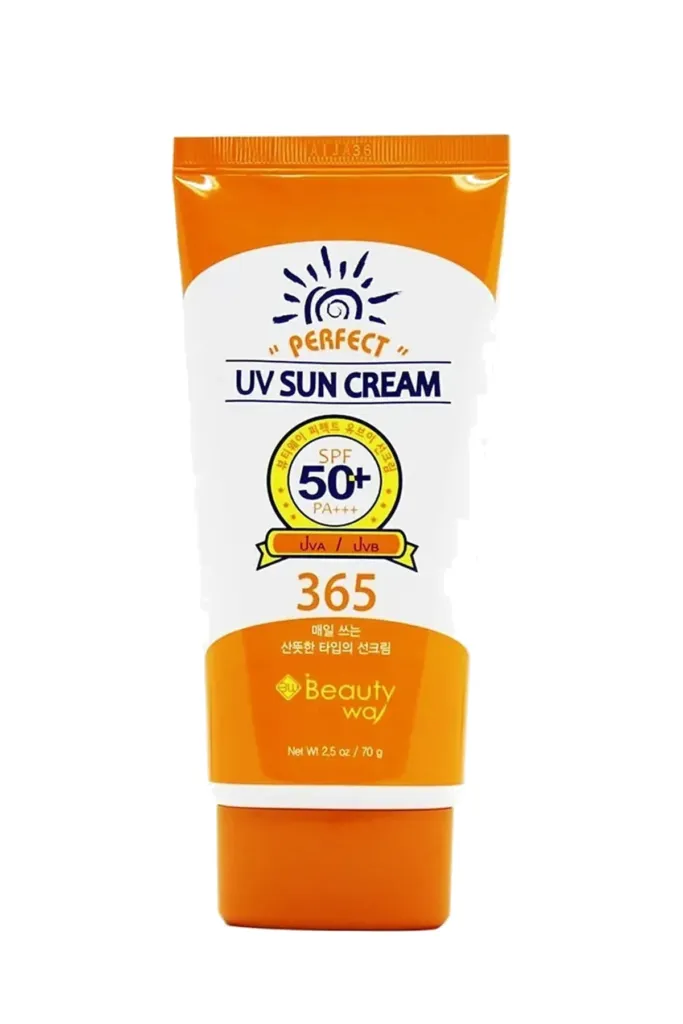
- Sunscreen: the last step of the morning routine. Korean sunscreens · Korean sunscreen guide
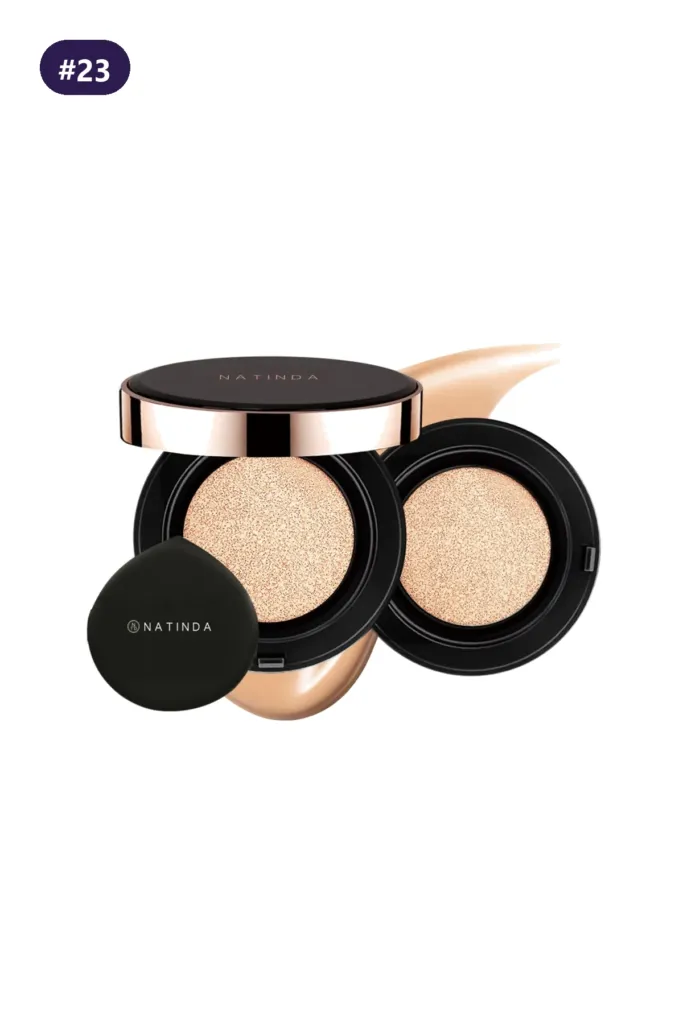
- Make-up: cushion, BB cream, stick concealer and blusher. Korean make-up guide
4. Korean cosmetics brands at K-LAB
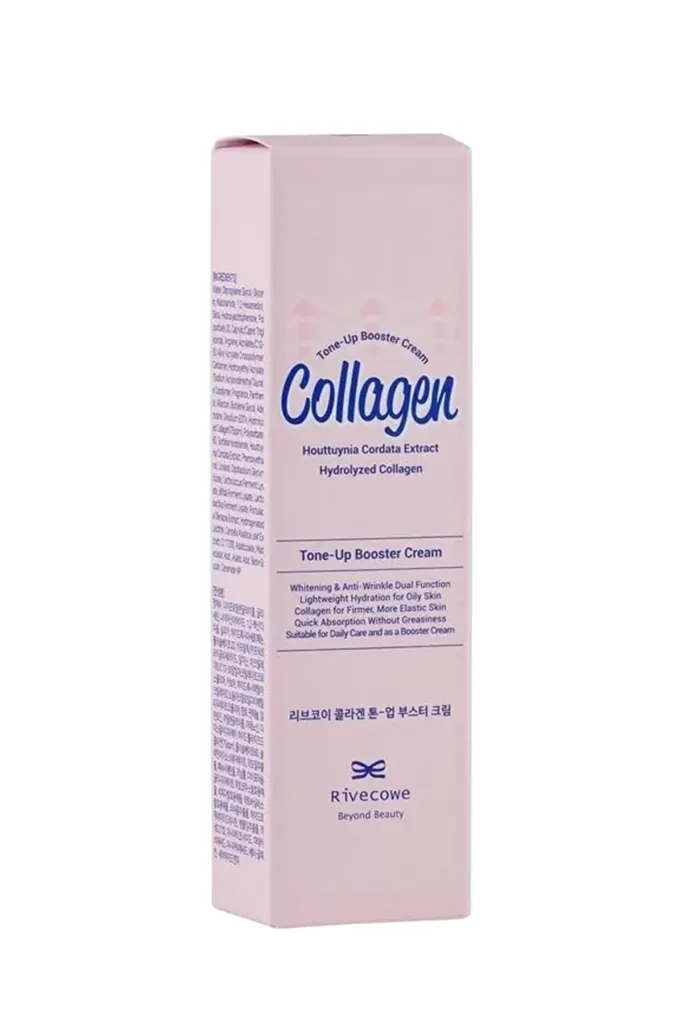
- Rivecowe: collagen creams, a PDRN ampoule, sheet masks, sunscreen, BB cream and blushers.
- Natinda: cushions and stick concealers, sunscreen, eye cream, cica cream, a cleansing balm and foams.
- Patch Holic: fruit-extract serums, a gel cream, toner pads and a sleeping mask.
- Plc-Atticos: Galactomyces essence, a hyaluron ampoule and care creams.
- Dermarssance: a collagen cream and a serum device for at-home care.
- Beautyway: a high-protection sunscreen.
5. Where to buy authentic Korean cosmetics
You can find Korean cosmetics from many marketplace sellers, but not every seller is an authorised channel for the brand. To shop safely, make sure the product comes from the official distributor's stock with an invoice, and check the importer details and the production and expiry dates on the packaging. For a detailed checklist, read our guide Where to buy authentic Korean skincare.
6. Where to start with Korean cosmetics
If it is your first time, three products are enough: a gentle cleanser, a moisturiser for your skin type and sunscreen every morning. Once your skin is used to them you can add a serum. Adding new products one at a time, a few days apart, makes it easy to see what your skin likes. For a step-by-step routine read the Korean skincare routine guide, and for products that suit your skin type try the free skin analysis.
Related K-LAB products
Frequently asked questions
What are Korean cosmetics?
The general name for skincare and make-up developed in South Korea, known for gentle cleansing, layered hydration, daily sun protection and light textures.
Why are Korean cosmetics so popular?
Light, layerable textures, make-up with skincare benefits, the wide use of ingredients like niacinamide, centella and PDRN, and practical formats such as sheet masks and cushions.
Which Korean cosmetics brand is best?
It depends on what you need. At K-LAB, Rivecowe stands out for collagen and barrier care, Natinda for make-up and sun protection, Patch Holic for fruit-extract serums, Plc-Atticos for essences and ampoules, and Beautyway for sunscreen.
Can sensitive skin use Korean cosmetics?
Products with soothing ingredients like centella (cica) are made for sensitive skin. Still, try each new product on a small area first and add products one at a time.
Where can I buy authentic Korean cosmetics?
From the brand's official distributor or authorised sales channels. K-LAB is the official distributor in Turkey for Rivecowe, Natinda, Plc-Atticos, Patch Holic, Dermarssance and Beautyway; products ship with an invoice and shipping is free over ₺1,500.